Crisis from draining aquifers/underground water
5 responses | 0 likes
Started by metmike - Sept. 16, 2026, 1:07 p.m.

The country that irrigates the most using aquifers is India!

Floods without water, droughts without rain: The quiet crises beneath India’s ground

https://www.downtoearth.org.in/water/floods-without-water-droughts-without-rain-the-quiet-crises-beneath-indias-ground

The false idea of having a lot

India uses more groundwater than any other country, even more than the US and China put together. It provides drinking water for about 85 per cent of people in rural areas and irrigation for more than 60 per cent of people. People used to see this dependence as a success story, a quiet revolution that freed farmers from the uncertainty of monsoon rains. But what used to be empowering has turned into overreach.

Over the past 20 years, groundwater levels in Punjab, Haryana, and parts of Rajasthan have dropped a lot. Pumps have gotten stronger, tube wells have gotten deeper, and extraction has become stronger. What used to be sustainable is now harmful on a different level. But the illusion stays: as long as water flows from the tap or borewell, the problem seems far away. 

++++++++++

 AI Overview
As reported by the UN University Institute for Water, Environment and Health, pumping water from underground removes the physical support that keeps the earth stable, causing the ground to sink—a process known as land subsidence. Global Subsidence Crisis
  • Permanent compaction: When underground water is drained, the tiny spaces inside rock and soil collapse. They do not reopen when it rains, meaning underground storage capacity is lost forever. 
  • Worldwide sinking: Coastal and inland regions in countries like China, Iran, Mexico, and the United States face sinking land due to heavy well pumping. 
The Situation in India
  • Massive extraction: India extracts more groundwater than the United States and China combined, making it the largest user on Earth. 
  • Sinking cities: As outlined by Down To Earth, about 1.9 million people live in Indian urban areas that are sinking faster than 4 millimeters per year. 
  • Structural danger: Thousands of buildings in major cities face high risks of structural damage as the ground beneath them shifts and drops. 
  • Agricultural strain: Heavy reliance on tube-wells to grow water-intensive crops like rice and wheat accelerates the drop in water tables. As detailed by India Today, weak monsoon rains worsen the problem by stopping natural underground refills. 
++++++++++++++++++++=

Groundwater Decline and Land Subsidence Threaten India’s Big Cities

 More than 2,400 buildings face high damage risk, rising to over 23,000 across five Indian cities if current trends persist.          

https://unu.edu/inweh/news/groundwater-decline-and-land-subsidence-threaten-indias-big-cities

Comments
By metmike - Sept. 16, 2026, 1:10 p.m.
Like Reply

Previous threads:

Previous threads: The top one is loaded with great stuff:

                The Water Crisis                       

                Started by metmike - March 29, 2024, 10:21 a.m.      

      https://www.marketforum.com/forum/topic/102853/

          ++++++++++++++

      SE US: rapid acceleration of sea level rise since 2010            

                                            Started by WxFollower - May 2, 2024, 3:56 p.m.       

     https://www.marketforum.com/forum/topic/103748/

++++++++++++

 Water Facts - Worldwide Water Supply                        

                Started by metmike - Dec. 6, 2020, 1:14 a.m.          

  https://www.marketforum.com/forum/topic/62303/

+++++++++++++++

The REAL crisis-draining groundwater            

                            Started by metmike - Nov. 2, 2023, 4:31 p.m.        

    https://www.marketforum.com/forum/topic/100242/

+++++++++++

 Therealenvironmental crisis's                   

                Started by metmike - April 10, 2019, 7:11 p.m.            

https://www.marketforum.com/forum/topic/27498/

By metmike - Sept. 16, 2026, 1:19 p.m.
Like Reply

Why 2026 could be the most volatile year for farming: The Ogallala Aquifer reality

https://www.msn.com/en-us/weather/topstories/why-2026-could-be-the-aamost-volatile-year-for-farming-the-ogallala-aquifer-reality/ar-AA1VYZXd

Water Levels Are Crashing at Unprecedented Rates

43-foot decline the year before. Let's be real here, that acceleration is terrifying for farming communities.

47-foot drop between January 2023 and 2024. The numbers aren't just statistics on a government report.

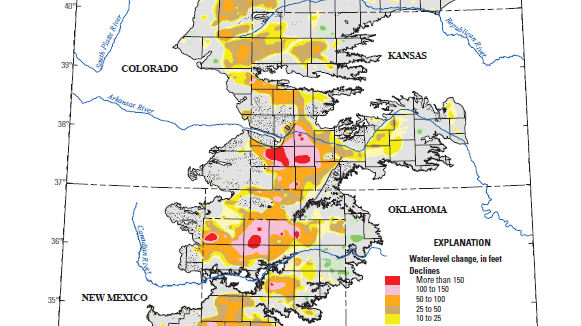
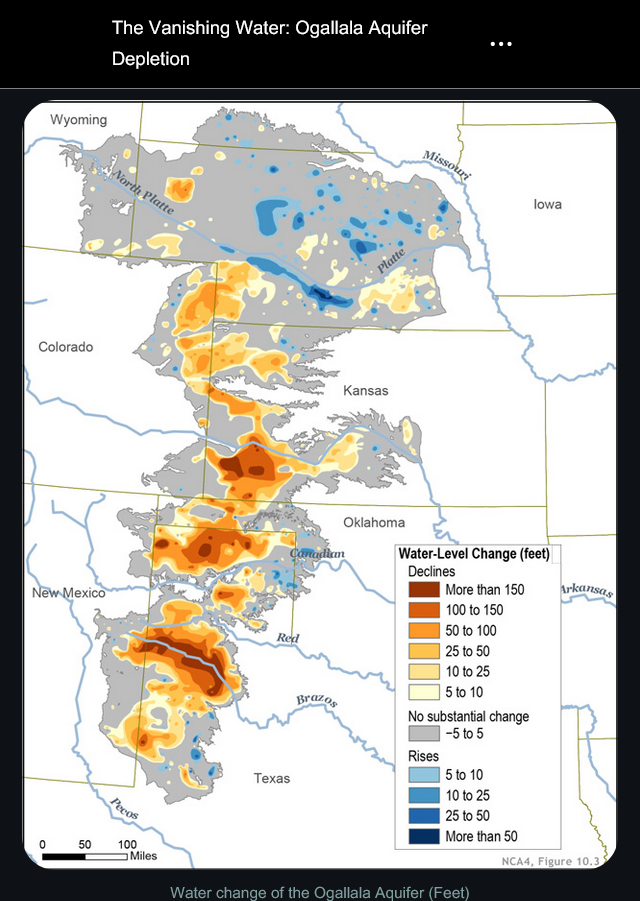
S. Geological Survey data from 2024 reveals that some areas, particularly in western Kansas and the Texas Panhandle, have seen water table declines exceeding 150 feet since the 1950s.
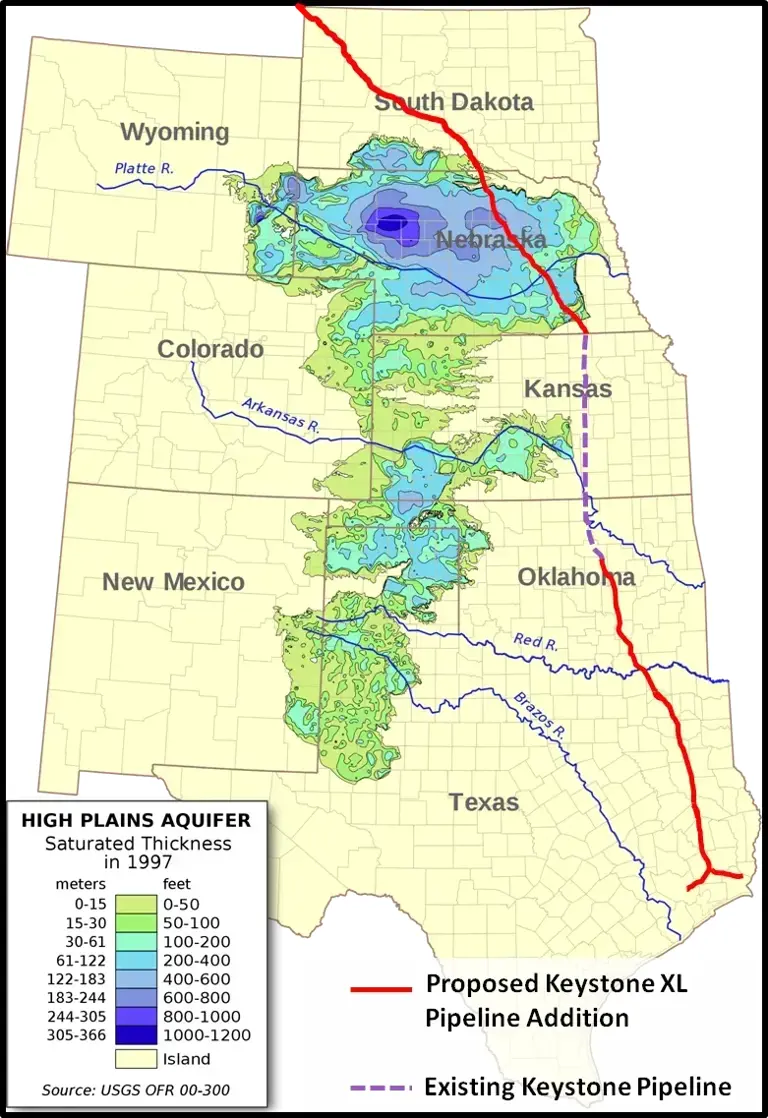
The Six Thousand Year Recovery Timeline (Image Credits: Wikimedia)Aaa@a

Each year, the Ogallala recharges by one inch on average, and if fully drained, models estimate that the aquifer would take six thousand years to refill naturally.

There's no technological fix that can speed that up.

++++++++++++

The Ogallala Aquifer Could Run Dry Within 20 Years—Experts Say

https://www.msn.com/en-us/news/us/the-ogallala-aquifer-could-run-dry-within-20-years-experts-say/ar-AA1P6Z0q


The Ogallala Aquifer Could Run Dry Within 20 Years—Experts Say

+++++++++++

This is NOT like the fake climate crisis. It's REAL water that is FINITE and REALLY being depleted at an unsustainable rate by many millions of  people that have grown extremely dependent on the water.


By metmike - Sept. 16, 2026, 1:21 p.m.
Like Reply

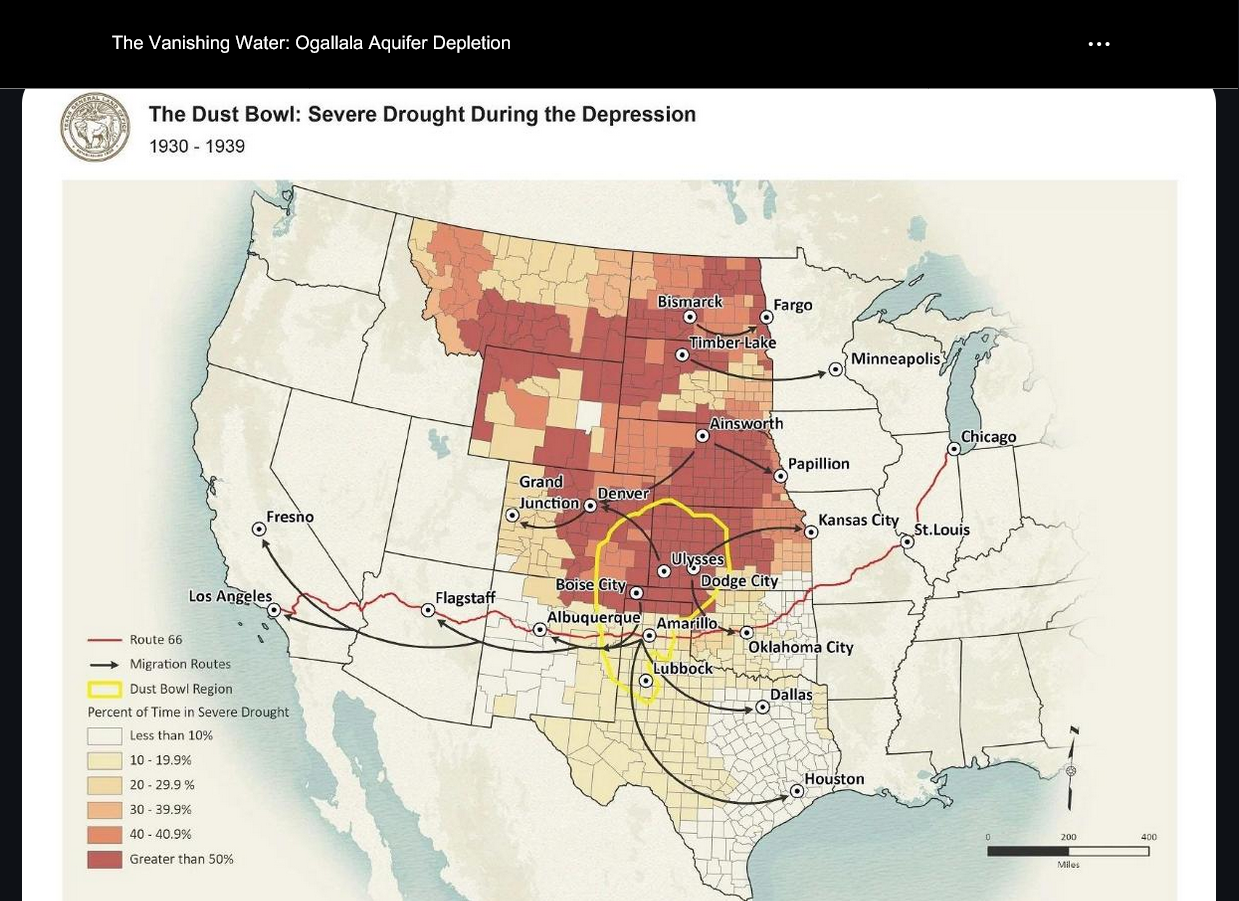
The Vanishing Water: Ogallala Aquifer Depletion

A U.S. agricultural powerhouse now draining before our eyes.

https://storymaps.arcgis.com/stories/52bd0cd2a448492e85f24292c380ead7

Some of these articles mention that climate change is making this worse. They are DEAD WRONG!

Not only does higher CO2 cause plant requirements for additional rain to be LESS (because it reduces loss of water from roots) but climate change in the Midwest in the Summer has featured cooler and wetter Summers!

Climate change in the United States, with 100% certainty is helping to protect us from widespread severe droughts.

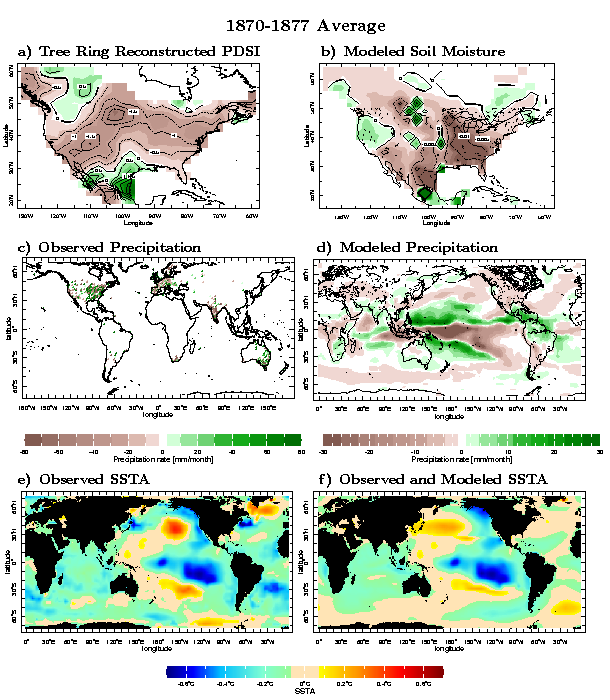
Summer Climate Change in the Midwest and Great Plains due to Agricultural Development during the Twentieth Century    

https://journals.ametsoc.org/view/journals/clim/32/17/jcli-d-19-0096.1.xml       


Fig. 1.

++++++++++++++++++++++++++++++++++++++++++++++++++++


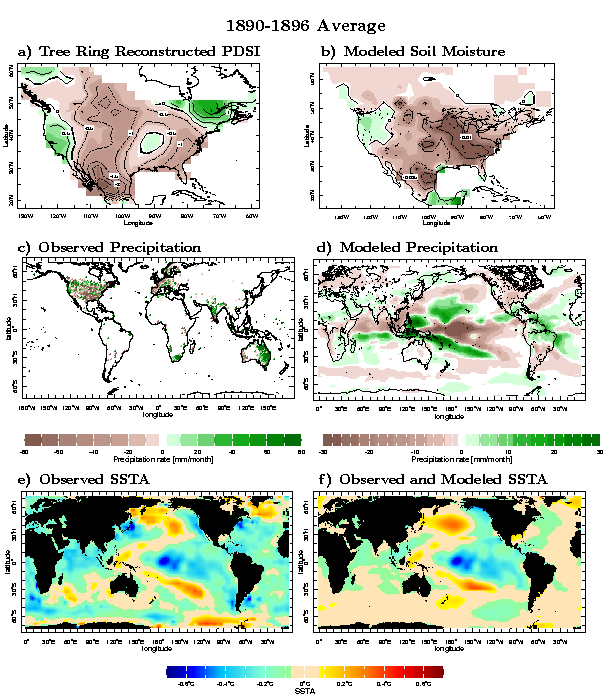
Fig. 2.


++++++++++++

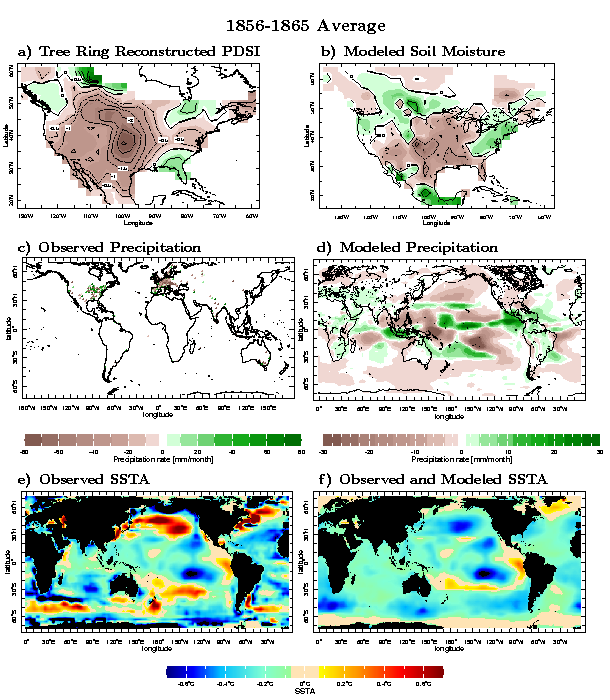
Global cooling and LOW CO2 levels are what cause widespread, extremely long lasting droughts with catastrophic global and huge regional famines! 

Here in 2026, we are living in a climate optimum with absolute, scientific certainty!!

Causes and consequences of nineteenth century droughts in North America

https://ocp.ldeo.columbia.edu/res/div/ocp/drought/nineteenth.shtml
+++++++++++++

Regardless of all that, as the Ogallalla Aquifer dries up, the people that dependent on it will SUFFER A CRISIS!!!

By metmike - Sept. 16, 2026, 1:30 p.m.
Like Reply

What is Groundwater?

https://groundwater.org/what-is-groundwater/

The area where water fills the aquifer is called the saturated zone (or saturation zone). The top of this zone is called the water table. The water table may be located only a foot below the ground’s surface or it can sit hundreds of feet down.

How much do we depend on groundwater?

  • Groundwater supplies drinking water for 51% of the total U.S. population and 99% of the rural population.
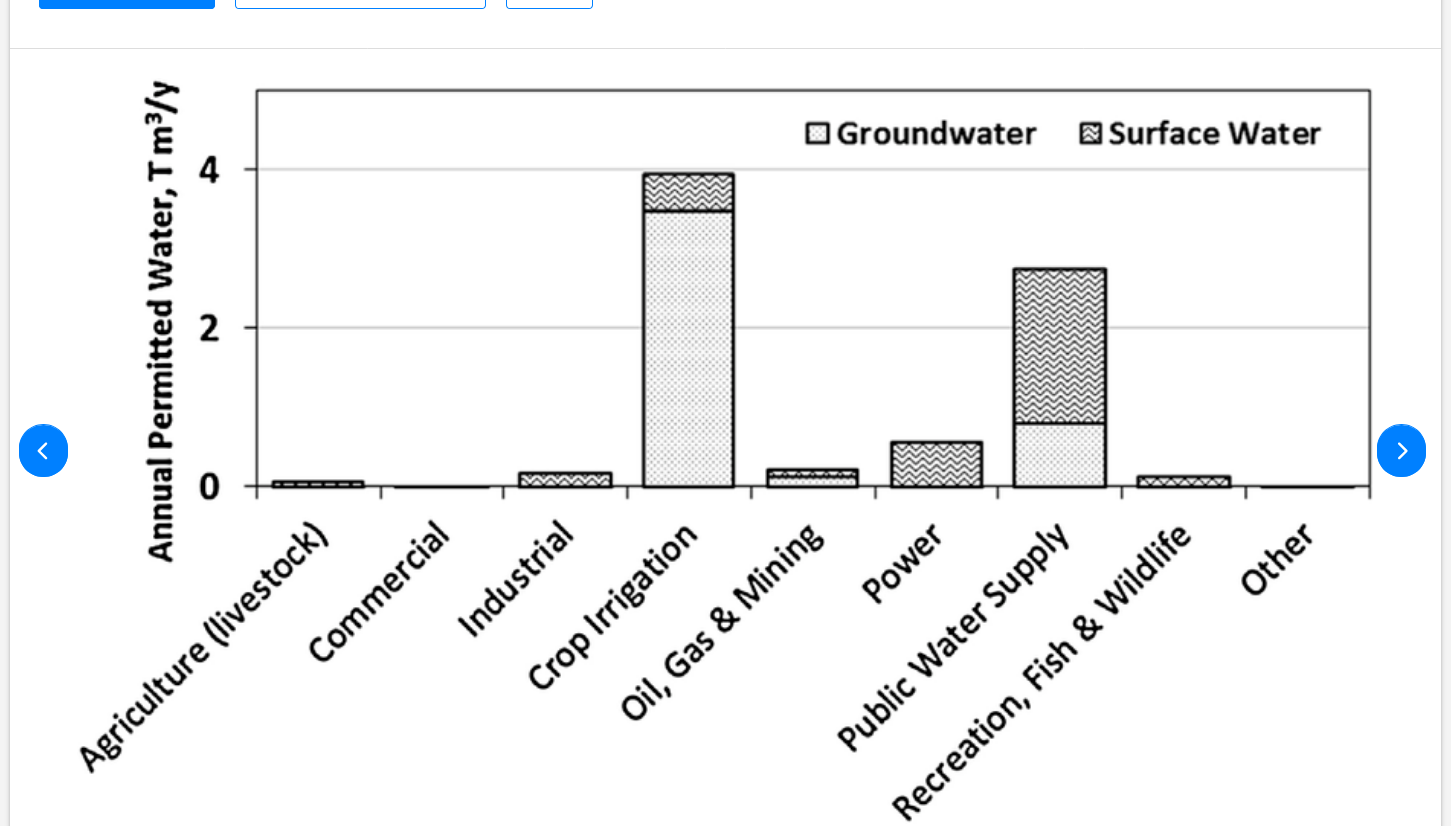
  • Groundwater helps grow our food. 64% of groundwater is used for irrigation to grow crops.
  • Groundwater is an important component in many industrial processes.
  • Groundwater is a source of recharge for lakes, rivers, and wetlands.


We can see below that public water mostly comes from rivers and lakes while crop irrigation is almost all from groundwater.
++++++++++++++++++

          Groundwater Flow and the Water Cycle      


https://www.usgs.gov/water-science-school/science/groundwater-flow-and-water-cycle


Diagram of how water flows underground.


The distribution of water on, in, and above the Earth


By metmike - Sept. 16, 2026, 1:33 p.m.
Like Reply

Overpumping of groundwater is contributing to global sea level rise

https://revealnews.org/article/overpumping-of-groundwater-is-contributing-to-global-sea-level-rise/
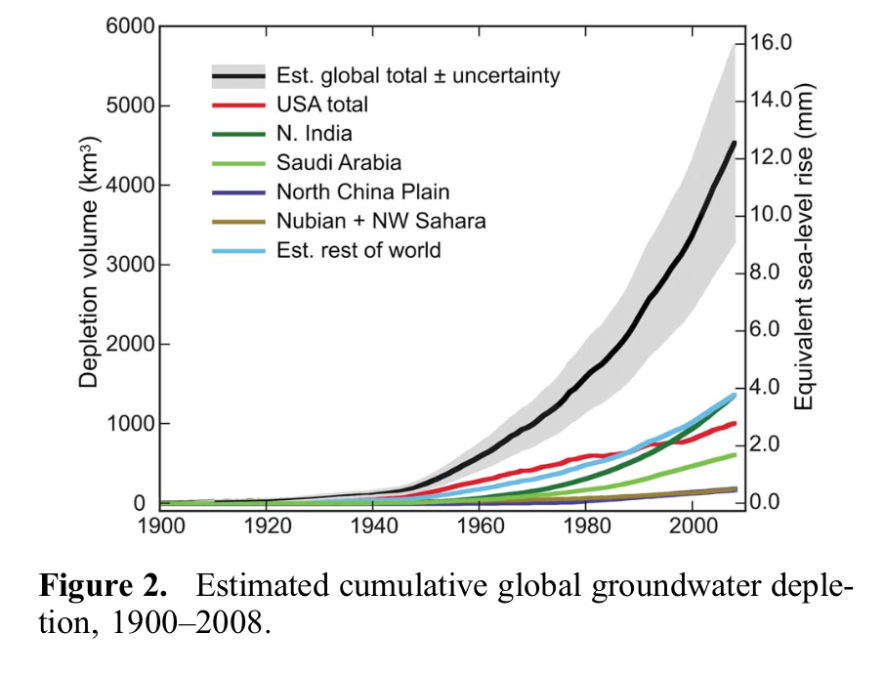

Note on the graph above that N.India leads for the nation which is depleting the most groundwater.

++++++++++++++++++

Linking Water from Land to Sea Level Rise

https://sealevel.nasa.gov/news/254/linking-water-from-land-to-sea-level-rise/


Humans Have Pumped Enough Groundwater to Change the Tilt of the Earth

https://e360.yale.edu/digest/groundwater-depletion-earths-axis