I noticed that the record low today was 1 deg. set in 1917 which reminded me of the coldest and snowiest Winter in recorded history for this part of the country!
The records for the next 2 days were -5 and -4 deg. F!
https://www.weather.gov/pah/EvansvilleDailyNormalsAndRecords
As the Evansville area has recently experienced ice, snow, and frigid temperatures, it is interesting to recall the snowiest and one of the coldest winters in the city’s history.
https://www.emuseum.org/articles/the-snowiest-winter
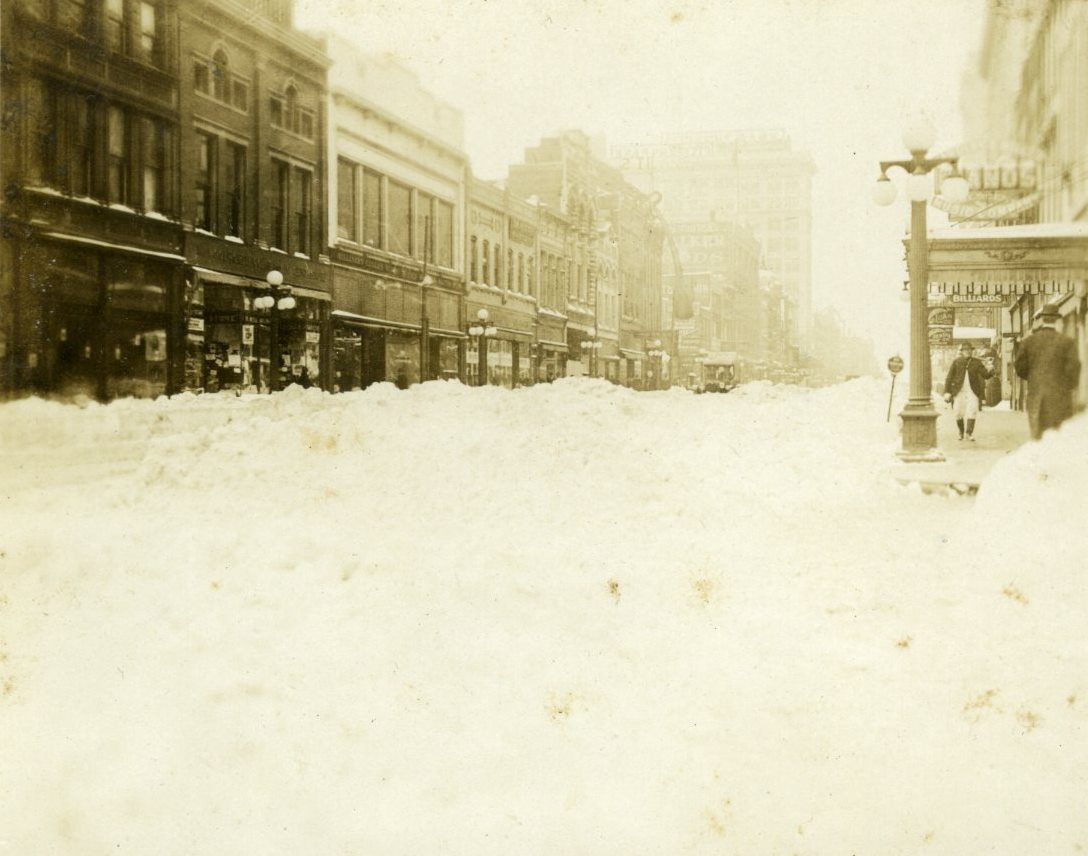
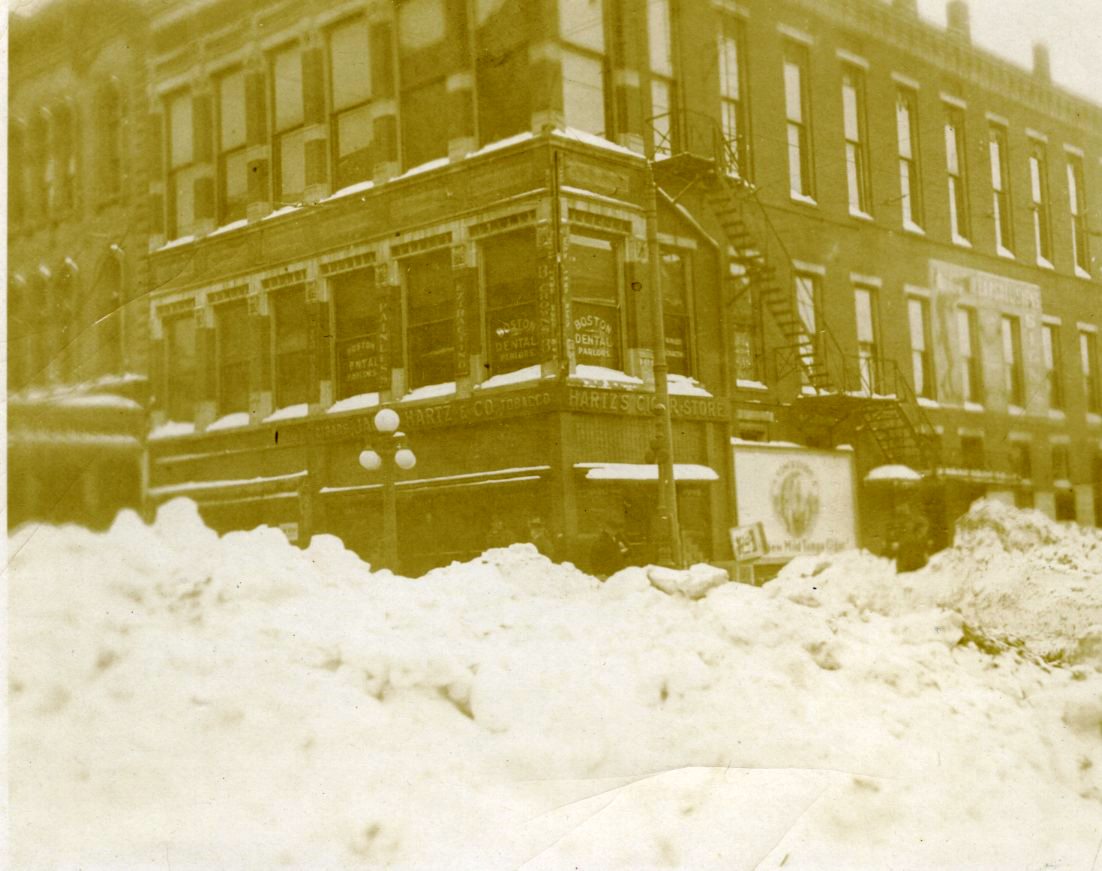
As the Evansville area has recently experienced ice, snow, and frigid temperatures, it is interesting to recall the snowiest and one of the coldest winters in the city’s history. This occurred from December 1917 through January of 1918. In this two-month period over 66 inches of snow fell on Evansville—25.1 inches in December and 41 inches in January. That January was also the second coldest month in Evansville’s recorded history with an average temperature of 19.4 degrees. (In January of 1977, the coldest month on record, the average temperature was 14.8 degrees.) In addition to cold temperatures and record snowfalls, the Ohio River was engulfed in a spectacular ice gorge in February of 1918 that stretched from Howell to Newburgh. The ice caused damage to river crafts and halted shipping on the Ohio River.

+++++++++++++++
https://www.evansvilleliving.com/winter-blast-from-the-past/
++++++++++++++++++++++
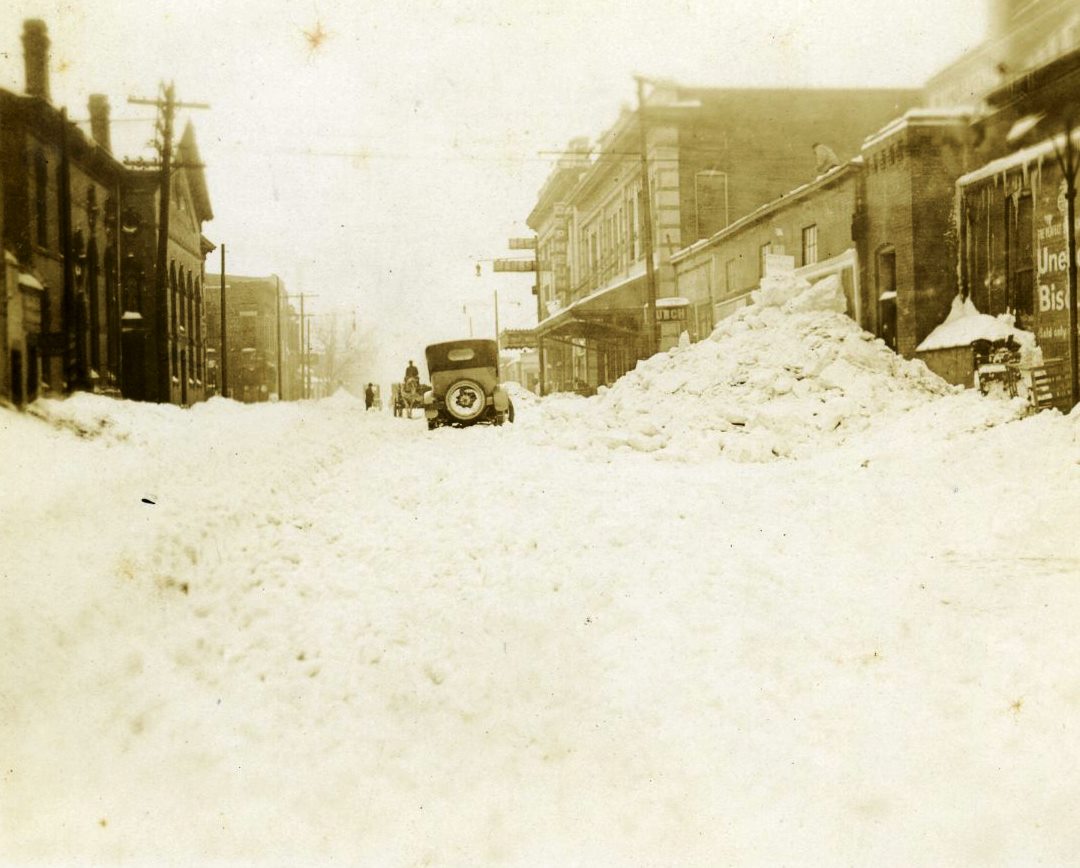
No snowplows or snowblowers back then!
+++++++++++++++++++++
https://www.noaa.gov/digital-collections/collections/2512/item?page=12

Gorged ice in front of Evansville. The winter of 1917-1918 was the coldest onrecord in the Ohio Valley at that time.In: Monthly Weather Review, February 1918, p. 91.
1918 February 5
Hey Mike,
Dec 1917 through Jan 1918 was severe way down into the SE, too. For example, Atlanta:
- Dec 1917 was the coldest Dec on record at the time (back to 1878) and there wasn’t a colder one til 1963.
- Jan 1918 was the coldest Jan on record at the time (back to 1879) and there wasn’t a colder one til 1940.
- Mid-Dec 1917 had a major sleet/snow storm that lasted a couple of days
- Jan 21st of 1918 had a major icestorm
- Feb of 1918 was quite mild
https://en.wikipedia.org/wiki/Winter_of_1917%E2%80%9318_in_the_United_States
The winter came to be known as the "old-fashioned winter", for the winter was on par with stories of cold winters elderly people would talk about.[6]
It remains as the coldest winter in the Ohio Valley, with snowfall occurring in late summer.
++++++++++++++
No kidding on that Winter being much like some of the brutally cold and snowy Winters during the 1700s and 1800s towards the end of the Little Ice Age.
Then, something happened to change that for the better.
We call it GLOBAL WARMING/CLIMATE CHANGE!!!!!
Death by GREENING!
52 responses |
Started by metmike - May 11, 2021, 2:31 p.m.
https://www.marketforum.com/forum/topic/69258/
++++++++++++
We are indisputably, by all SCIENTIFIC STANDARDS living in a climate OPTIMUM for almost all life on this planet. The climate crisis is fake.
https://en.wikipedia.org/wiki/Year_Without_a_Summer
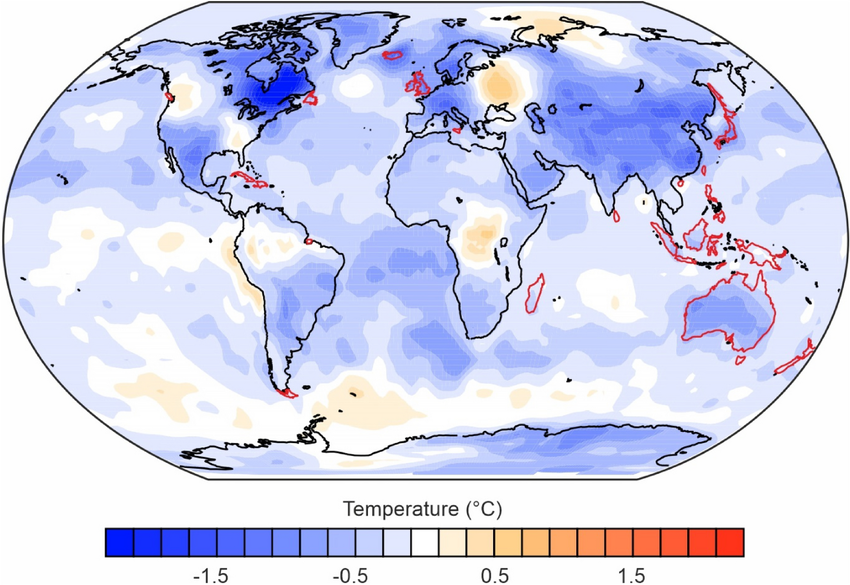
The year 1816 is known as the Year Without a Summer because of severe climate abnormalities that caused average global temperatures to decrease by 0.4–0.7 °C (0.7–1 °F).[1] Summer temperatures in Europe that year were the coldest of any on record between 1766 and 2000,[2] resulting in crop failures and major food shortages across the Northern Hemisphere.[3]
Evidence suggests that the anomaly was predominantly a volcanic winter event caused by the massive 1815 eruption of Mount Tambora in April in modern-day Indonesia (commonly referred to as the Dutch East Indies at the time). This eruption was the largest in at least 1,300 years (after the hypothesized eruption causing the volcanic winter of 536); its effect on the climate may have been exacerbated by the 1814 eruption of Mayon in the Philippines. The significant amount of volcanic ash and gases released into the atmosphere blocked sunlight, leading to global cooling.
++++++++++++++++
https://www.nps.gov/articles/000/1816-the-year-without-summer.htm
https://encyclopediavirginia.org/entries/little-ice-age-and-colonial-virginia-the/
The Little Ice Age was a climatic period, lasting from about 1300 to 1850, when worldwide temperatures cooled slightly, leading to extreme weather that, in turn, affected the colonizing ventures of Europeans in America. Before their arrival, Europeans assumed America’s climate would match that of lands situated along the same lines of latitude elsewhere. Instead, the New World was both hotter and colder than they expected. And as a result of the Little Ice Age, the weather was marked by wet springs that led to flooding, hot summers that led to long droughts, and particularly cold winters.
In January 1607, a massive flood struck southwestern England even as the Thames River was frozen over. Both the areas around Roanoke and Jamestown were suffering from millennial droughts when the colonists arrived demanding food from local Indian populations. The resulting scarcity of food contributed to disease and conflict, both of which ended the venture at Roanoke and threatened the survival of Jamestown.
+++++++++++++++++++++++++++++=
We've been fed complete HOGWASH about what global warming/climate change has done to our weather. It's actually PROTECTING US from the MUCH, MUCH worse weather that existed before it blessed us with wonderful warmth and entirely beneficial CO2.
Re: Re: Re: Re: Re: Death by GREENING!
By metmike - Feb. 2, 2025, 7:54 a.m.
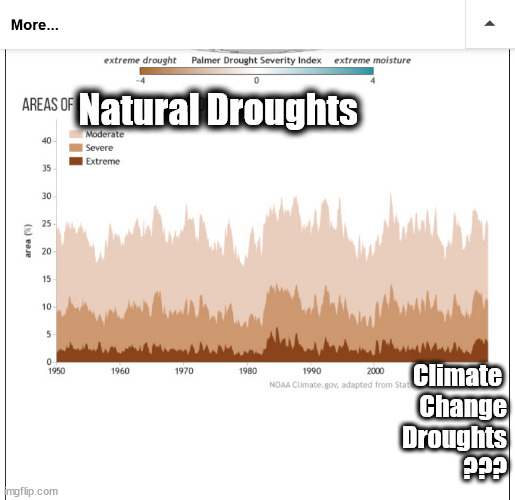
Here's a perfect example of why they get it so wrong using the global drought graph from above. Please tell me where on this graph below, that the climate change droughts are and where the natural droughts are since the year 2000? Impossible because the pattern is THE EXACT SAME! The MSM, in 2025 tells us that EVERY drought is now caused by climate change to the point that they use the terms interchangeably.
https://www.climate.gov/news-features/featured-images/2017-state-climate-global-drought
+++++++++++++++++++++++
Global cooling and LOW CO2 levels are what cause the most widespread, extremely long lasting droughts with catastrophic global and huge regional famines!
That's the authentic science!
Here in 2025, we are living in a climate optimum with absolute, scientific certainty!!
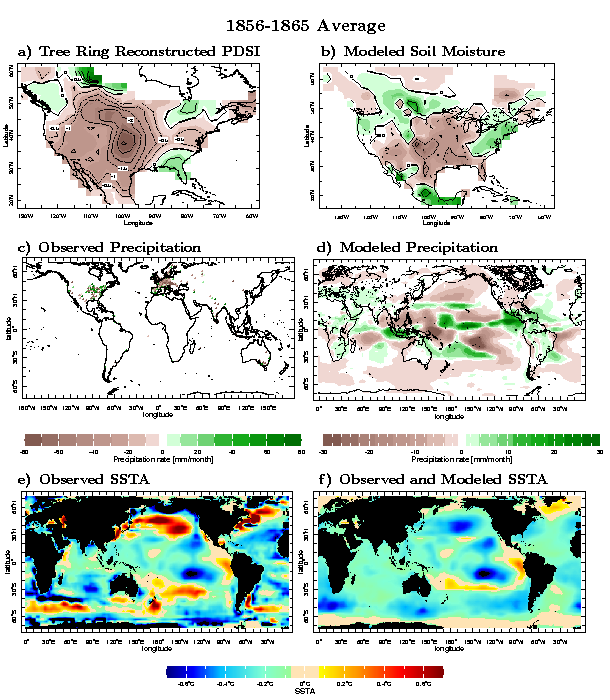
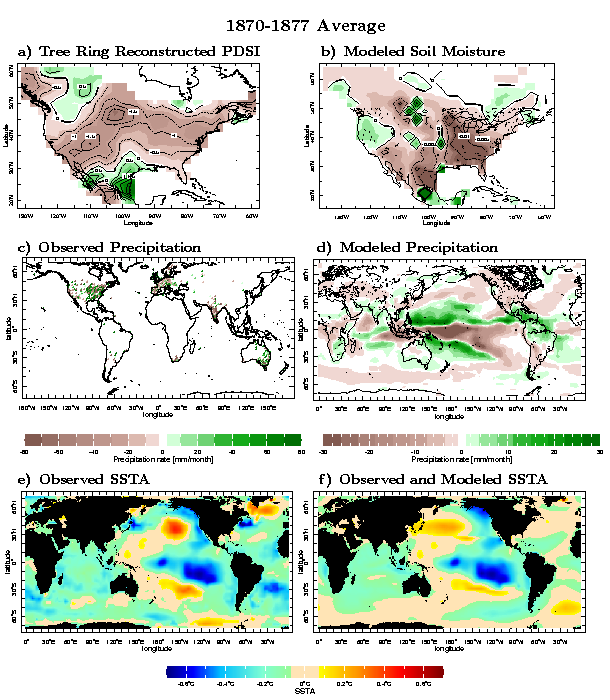
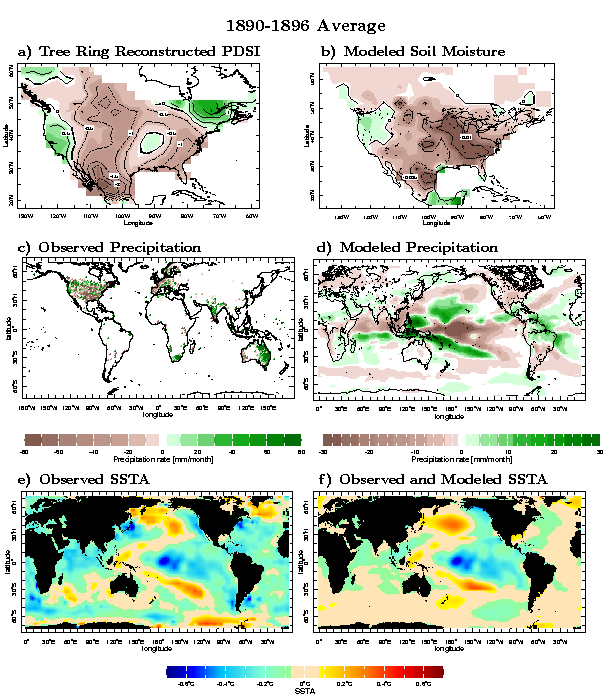
Causes and consequences of nineteenth century droughts in North America
https://ocp.ldeo.columbia.edu/res/div/ocp/drought/nineteenth.shtml
++++++++++++++++++++++++++++++++++++++++++++
You want a REAL climate CRISIS?
This is what it looks like:
Can you imagine if this below happened today? It's less likely because climate change and the current climate OPTIMUM is helping to PROTECT US!
The planet had a REAL climate crisis between 1876 and 1878.
50 million people died. 3% of the global population died from that real climate crisis!
https://news.climate.columbia.edu/2017/12/15/causes-great-famine-drought/

https://ui.adsabs.harvard.edu/abs/2017AGUFMGC51F..04S/abstract
The 1876-1878 Great Famine impacted multiple regions across the globe including parts of Asia, Nordeste Brazil, and northern and southern Africa, with total human fatalities exceeding 50 million people, arguably the worst environmental disaster to befall humanity.
NASA EXPLAINS THE DUST BOWL DROUGHT
https://www.nasa.gov/centers/goddard/news/topstory/2004/0319dustbowl.html
++++++++++++++++++
Climate change in the United States, with 100% certainty is helping to protect us from widespread severe droughts.
Summer Climate Change in the Midwest and Great Plains due to Agricultural Development during the Twentieth Century
https://journals.ametsoc.org/view/journals/clim/32/17/jcli-d-19-0096.1.xml

++++++++++++++++++++++++++++++++++++++++++++++++++++

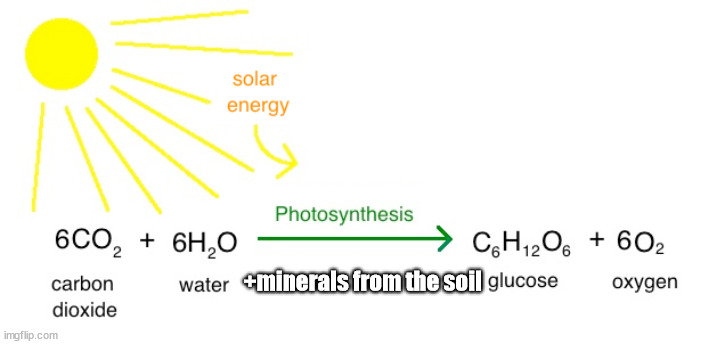
We are indisputably living in a climate optimum for most life on this planet(that would still prefer a bit more warmth and a lot more CO2) and for growing crops in the United States!
CO2 levels are still less than 50% the optimal level for most life!
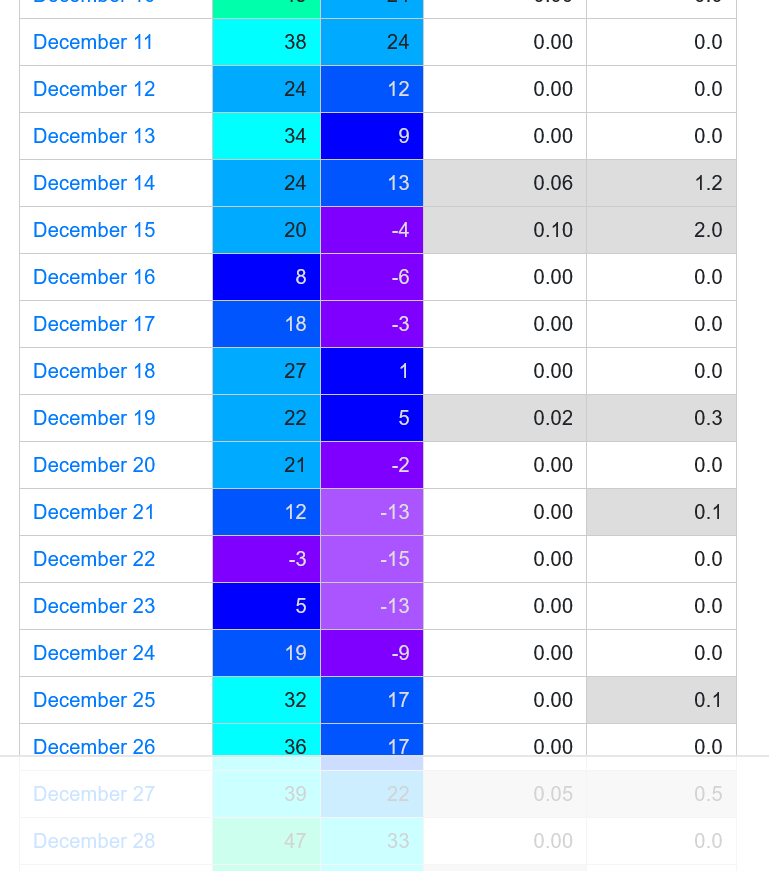
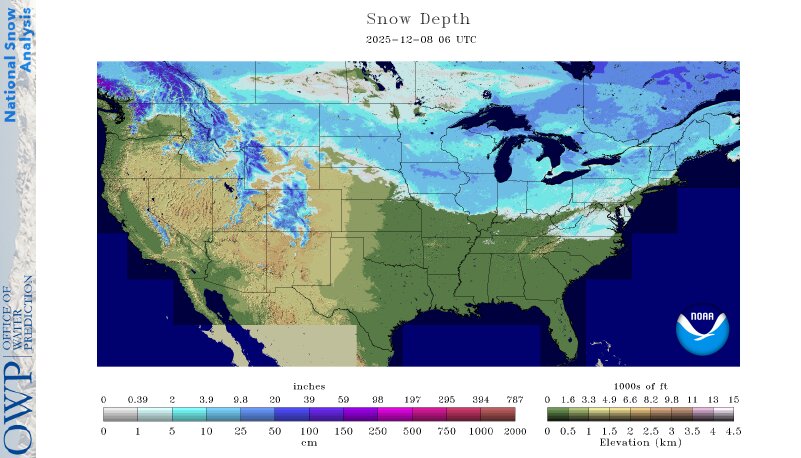
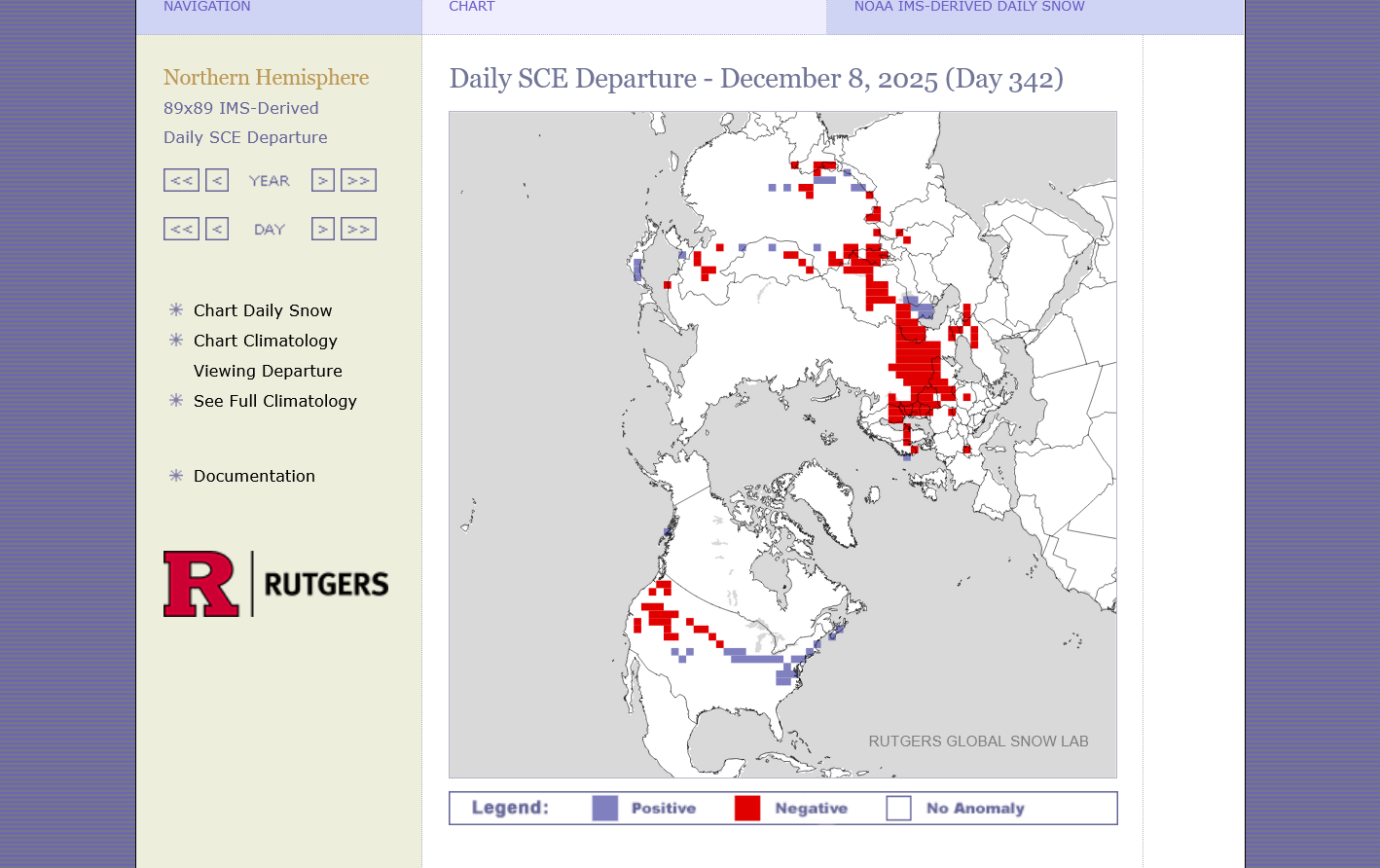
This recent cold and snow is nothing compared to some cold/snow in the past, although its the coldest/snowiest start to Winter in a couple of decades.
https://www.nohrsc.noaa.gov/nsa/
https://climate.rutgers.edu/snowcover/chart_daily.php?ui_year=2025&ui_day=342&ui_set=0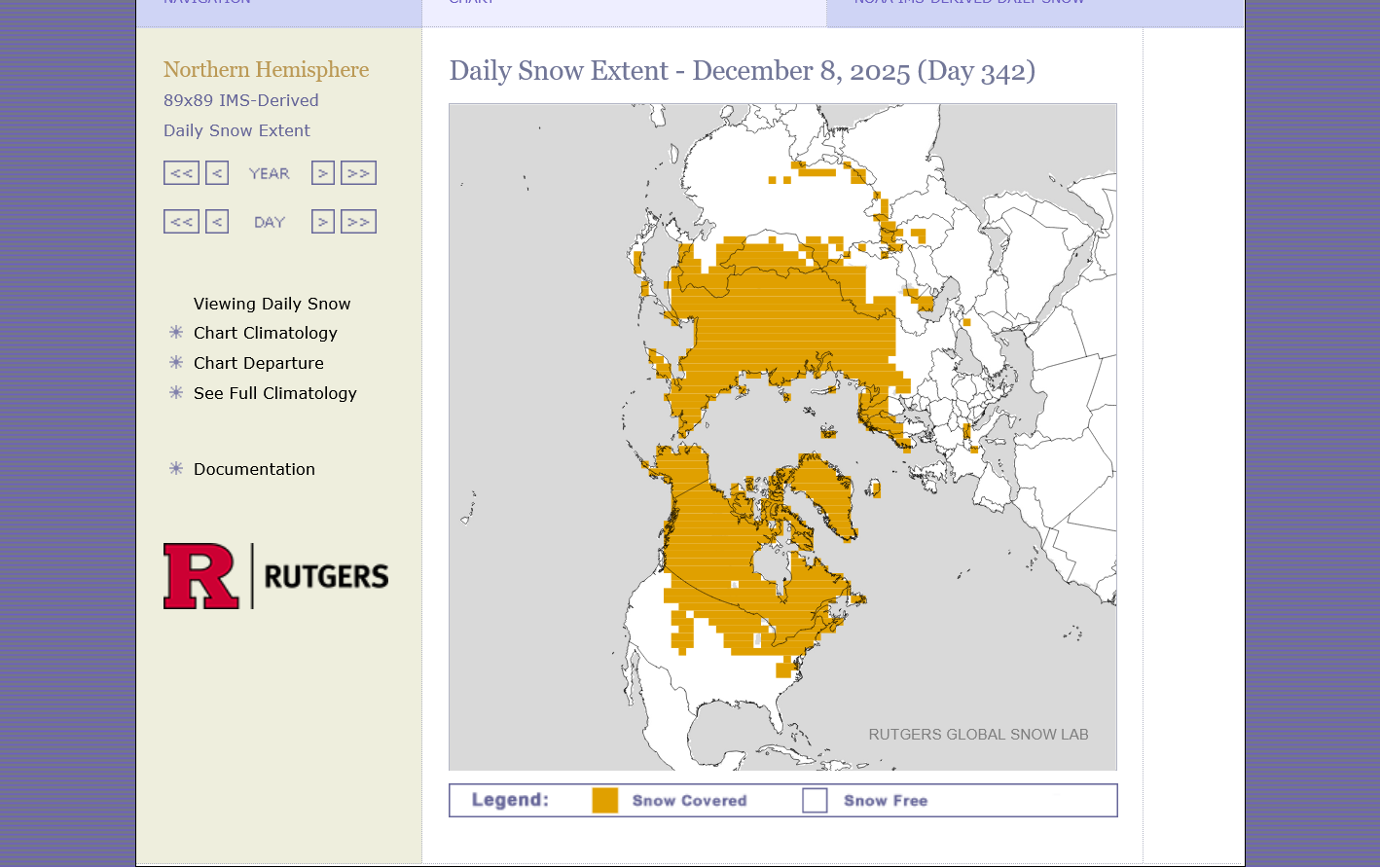
https://climate.rutgers.edu/snowcover/chart_daily.php?ui_year=2025&ui_day=342&ui_set=2
1917/18 was a brutal WINTER.
However, the coldest mid/late December by an incredibly wide margin for the Eastern half of the country was 1989:
https://www.extremeweatherwatch.com/cities/evansville/year-1989
Lowest Temperatures in Evansville in 1989
| Rank | Temperature | Date |
|---|---|---|
| 1 | -15 °F | December 22 |
| 2 | -13 °F | December 23 |
| 2 | -13 °F | December 21 |
| 4 | -9 °F | December 24 |
| 5 | -6 °F | December 16 |
| 6 | -4 °F | December 15 |
| 7 | -3 °F | December 17 |
| 8 | -2 °F | December 20 |
| 9 | 1 °F | December 18 |
| 10 | 5 °F | December 19 |
https://www.extremeweatherwatch.com/cities/evansville/year-1989